FOR IMMEDIATE RELEASE
June 25, 2026
Media Contact:
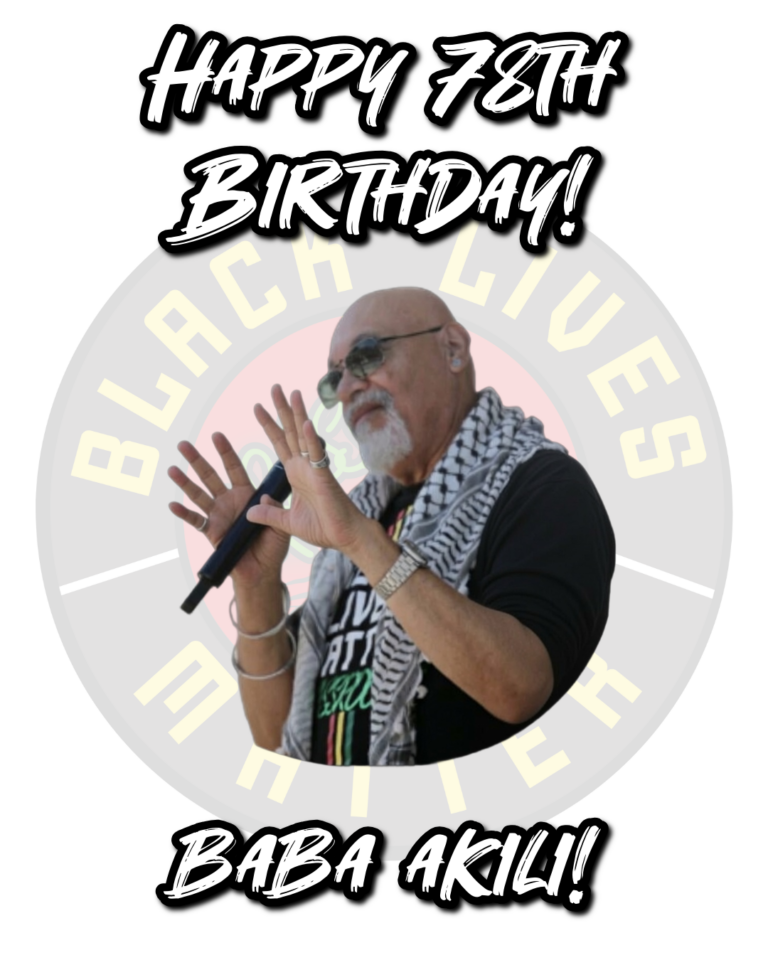
Thandiwe/Baba Akili
(323)271-6642
[email protected]
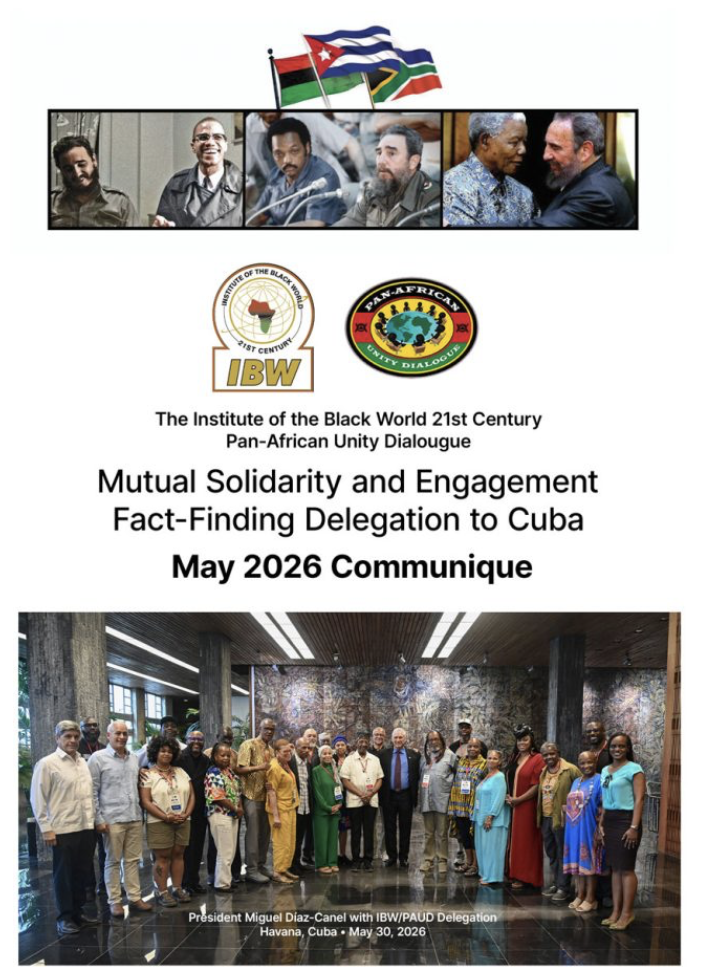
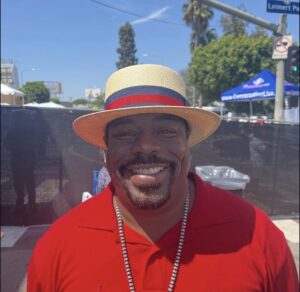
Two representatives from Black Lives Matter Grassroots, Thandiwe Abdullah and Baba Akili, were honored to join top scholars, faith leaders, and lifetime organizers brought together by the Institute of the Black World 21st Century and the Pan African Unity Dialogue (IBW/PAUD) on an emergency delegation to Cuba in May 2026. This delegation aimed to serve as a fact-finding mission and demonstration of solidarity between Cuba and the Black world.
Background: The sovereign nation of Cuba is an island located just 90 miles off the coast of Florida. Over the course of its national history, the Cuban people have battled the forces of slavery, colonialism, fascism, and imperialism through armed struggle and popular resistance. The victory of the Cuban revolution in 1959 affirmed socialism as the nation’s economic model meant to transform the island previously ravaged by a series of oppressive regimes into a land of upright people. Since the Cuban revolution, the Cuban people have suffered aggressive political and economic attacks as political retaliation from western powers, which has prevented Cuba from fully realizing its self determining ideals.
May 2026 – Havana, Cuba The IBW/PAUD Emergency Mutual Solidarity and Engagement Fact-Finding Delegation to Cuba, brought together some of the brightest Black minds in politics, economics, medicine, faith, education, arts, and social justice work. The delegation was met with immense love and camaraderie by the Cuban people. Delegates prepared relevant questions for the deputy foreign minister, health workers, elected representatives, community leaders, and the President of Cuba, Miguel Diaz Canel.
As a groundbreaking delegation composed entirely of Black leaders, our takeaways reflect the interests of the Black world. Cuba is home to a large number of African descendants. Under the intensified U.S. policy of economic blockade, oil embargo, sanctions, and political attack, Black Cubans, in particular, face much of the strain plaguing the island. Our tours illuminated the toll that the U.S. economic embargo has on every facet of Cuban society.
U.S.-imposed embargoes have blocked oil from reaching the island, severely hindering the power needed for hospitals, schools, and even households to run safely. As a direct result, what was once one of the most effective educational systems in the world, with the most literate and degreed population on the planet, has been forced to cut school operations to only three days a week, dramatically impacting student learning and driving teachers to search for additional employment. The snowball effect has meant that community organizations are overwhelmed by the influx of children and families needing support. Cuban doctors, some of the best in the world, are forced to watch their patients die from treatable ailments, because they have no tools or supplies to properly care for those who need medical aid. Families are unable to store food safely, sufficiently cool their homes, or power their lights, phones, or appliances.
A difference in economic models of governance is no reason for the U.S. to starve an entire nation of people. This remains true whether it be for the people of Cuba, Palestine, Venezuela, or Iran. The tiny island of Cuba has suffered long enough, and yet despite their suffering, they continue to be beacons of light for other developing countries. Cuban doctors still travel the world providing medical care to rural and underserved communities. Cuba still provides free education and medicine to students from around the world including African Americans. Cuba has trained more than 1,500 Palestinian doctors since 1974. Their commitment to global human rights, dignity, and self-determination, especially for oppressed people around the world, makes their suffering all the more egregious. Black Lives Matter Grassroots joins the Institute for the Black World in the call to lift the embargo now and let the Cuban people breathe, grow, and flourish.